When it comes to luxury and premium interior designs, there are different materials that are essential for creating aesthetics and atmospheres that excel. Materials such as marble and granite are common materials that are used by top designers for luxury properties. However, there is one material that is frequently disregarded: the natural solid hardwood floorboards.
Hardwood floorboards are all about naturals. It is one of the most naturalistic materials that have been used throughout human history. While it is common and frequently used in interior designs and constructions, there is much more to the world of hardwood materials. In essence, hardwood is unique and warm, and it has an element where non-organic materials cannot deliver. As such, there are designer hardwood floors that are offering superior qualities with elevated aesthetics and craftsmanship.
Here in this article, you will be exploring the different types of designer hardwoods. By understanding the fundamentals in hardwood floorboards, you will be more capable of selecting the right designs and floorboard products that meet your interior needs.
Beyond the Basics: Understanding Designer Hardwood Floorboards
When we talk about designer hardwood floorboards, we’re moving past simple planks of wood. These are often carefully selected for their grain patterns, unique coloration, or innovative finishes. You might see wider planks, longer boards, or special cuts that create a more visually striking floor. The “designer” tag can also imply a higher standard of manufacturing and sourcing, ensuring durability and a refined appearance that stands the test of time. It’s about investing in a floor that’s as much a design element as it is a functional surface.
What Sets Them Apart?
The primary difference lies in the attention to detail. This could manifest in several ways. Think about the species of wood used – some are chosen for their inherent beauty and rarity. Then there are the finishes; these aren’t your standard matte or semi-gloss. Designers experiment with wire-brushing, hand-scraping, smoking, or even adding subtle metallic flecks to create unique textures and visual depth. The dimensions of the boards themselves can also be a design choice, with wider planks often providing a more luxurious and spacious feel.
The Appeal of Uniqueness
Ultimately, the allure of designer hardwood lies in its ability to make a statement. It’s for those who want their floors to be a conversation starter, a reflection of their discerning taste. Instead of a uniform look, you might find variations in tone and grain that add character and warmth, giving the floor a sense of history and natural beauty.
The Unseen Advantages: Benefits of Designer Hardwood Floorboards
Choosing designer hardwood isn’t just all about looks; there are practical advantages that come along with the elevated style. These floors are often built to last, offering a fantastic return on investment in the long run. Plus, they contribute to a healthier living environment and can even increase your home’s value.
Longevity and Durability
Generally, designer hardwood floors are made with higher quality wood and are constructed with more robust techniques. This translates to a floor that can withstand the daily wear and tear of family life. Whether it’s the kids running around or the dog’s paws, a well-chosen and properly installed hardwood floor can maintain its beauty for decades.
Improved Indoor Air Quality
Unlike some manufactured flooring options, solid hardwood is a natural material. It doesn’t off-gas volatile organic compounds (VOCs) when installed, which can contribute to cleaner indoor air. This is particularly important for families with young children or individuals with respiratory sensitivities.
Added Home Value
A beautiful, well-maintained hardwood floor is a significant selling point. Buyers and homeowners often associate it with quality and luxury, which can lead to a higher appraisal value for your home. It’s one of those features that many potential homeowners actively seek out.
A Canvas of Choices: Styles and Finishes
The world of designer hardwood floorboards is incredibly diverse, offering a vast palette of styles and finishes to suit any aesthetic. From the subtly sophisticated to the boldly modern, there’s a floor out there that can perfectly capture your vision for your home.
Plank Width Variations
The width of the floorboards plays a surprisingly significant role in the overall visual impact.
Narrow Planks
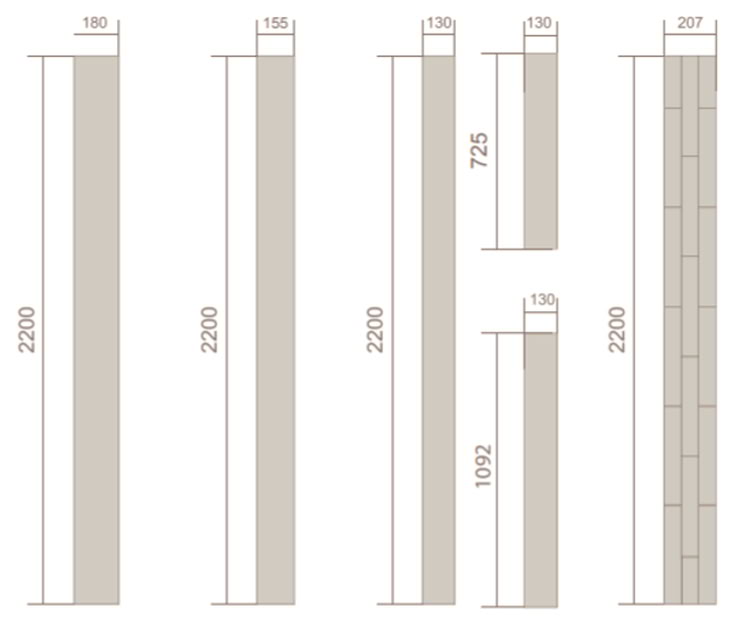
Traditional narrow planks (around 2-5 inches wide) can create a classic, elegant look. They tend to make a room feel more traditional or can offer a delicate detail in a more contemporary setting.
Wide Planks
Wider planks (6 inches and up) have become incredibly popular for a reason. They offer a more modern, spacious, and luxurious feel. They require fewer seams, which can make a room look bigger and more cohesive.
Mixed Width and Lengths
Some designers offer planks in a variety of widths and lengths, creating a dynamic and visually interesting floor that mimics the look of some older, reclaimed wood styles. This adds a unique character and a touch of rustic charm, often known as multi-strip board or multi-strip flooring.
Surface Treatments and Textures
The way the surface of the wood is treated can dramatically alter its look and feel.
Wire-Brushed
This process involves passing a stiff wire brush across the wood, accentuating the natural grain and creating a textured, slightly distressed surface. It’s excellent for hiding minor scratches and adds a desirable tactile quality.
Hand-Scraped
Evoking the look of floors from bygone eras, hand-scraping involves intentionally creating slight imperfections along the edges and surfaces of the boards. This gives the floor an antique, artisanal feel.
Distressed or Reclaimed
These floors are often designed to mimic the look of wood that has been previously used. They might feature knots, nail holes, and variations in color that tell a story, adding immense character and warmth.
Smooth Finishes
While “designer” often implies texture, there are also beautifully smooth finishes available. These can be honed to a soft, matte sheen or polished to a subtle gleam, offering a cleaner, more minimalist aesthetic.
Color and Stain Palettes
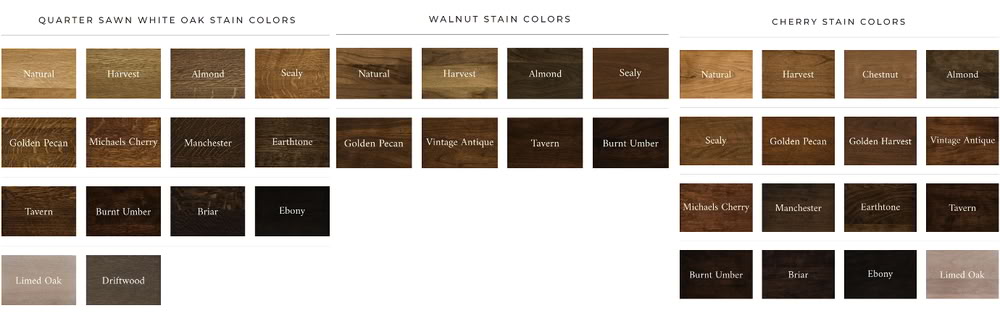
Beyond the natural hues of wood, designers explore a spectrum of stains and treatments to achieve unique looks.
Neutral Tones
From pale, whitewashed finishes that bring a Scandinavian feel to warm, honey tones that exude classic comfort, neutral stains are versatile and timeless.
Dark and Dramatic Hues
Deep espresso, charcoal grey, or even black-stained floors can create a sophisticated and modern statement, providing a dramatic backdrop for your furnishings.
Muted Grays and Greige
These contemporary shades offer a sophisticated alternative to traditional browns, blending the warmth of wood with a modern color sensibility.
Smoky and Ebonized Finishes
Treatments that artificially age or darken the wood can create rich, complex tones with a luxurious depth unlike any natural stain.
Wood Types in Designer Floors
The type of wood used is fundamental to both the aesthetic and the durability of designer hardwood floorboards. Different species offer unique characteristics, from hardness and grain pattern to color and historical context.
Oak Variations
Oak is a perennial favorite for a reason, offering a range of looks and excellent durability.

White Oak
Known for its slightly cooler, more neutral tones and its resistance to moisture, white oak is a popular choice for modern and transitional designs. Its closed grain can give it a smoother appearance.
Red Oak
With its warmer, reddish undertones and more prominent grain, red oak offers a classic and inviting look. It’s strong and readily accepts stains, allowing for a wide variety of finishes.
Maple
Maple wood is prized for its smooth, fine grain and its light, creamy color.

Hard Maple
This is an exceptionally hard wood, making it very resistant to dents and scratches. Its uniform texture is perfect for achieving clean, minimalist looks or for staining in bold, modern colors.
Soft Maple
While still durable, soft maple has a slightly less dense composition and can be more prone to marking than hard maple. It can offer a more cost-effective option while still providing a beautiful, fine-grained surface.
Walnut
Walnut is a premium hardwood renowned for its rich, deep brown color and its often striking, varied grain patterns.

American Black Walnut
This is a highly sought-after species, offering a luxurious, dark chocolate hue that can range from deep browns to purplish tones. Its elegant grain adds a distinctive character.
Exotic Woods
For those seeking truly unique and dramatic floors, various exotic hardwoods offer their own distinct beauty.
Ipe
Known for its incredible hardness and dense, dark chocolate or reddish-brown color, Ipe is exceptionally durable and resistant to insects and decay, making it suitable for high-traffic areas.
Teak
Often associated with outdoor furniture, teak is a highly stable and durable wood with a beautiful golden-brown color and a distinctive grain. It is known for its natural oils that provide resistance to moisture and wear.
Grain Variation due to Conditions
Different types of wood offer different characteristics in grain variation. However, even with the same species of wood, the grains can still be distinctively different due to other factors and conditions. The causes for different grain variations can be the following:
- Tree size
- Growth rate
- Climate changes
- Growth site conditions
- Genetics
- Bird & Insect Damage
- Fire damages
Natural colors due to conditions
- Soil types
- Minerals
- Water levels
- Available sunlight
- Temperature
- Genetics
How to Choose the Right Designer Floorboards?
Selecting the right designer hardwood floorboards involves more than just picking a pretty color. It requires a thoughtful consideration of your home’s style, your lifestyle, and the practicalities of installation and maintenance.
Consider Your Home’s Architectural Style
Is your home a modern minimalist masterpiece, a cozy farmhouse, or a grand Victorian? The floor should complement, not compete with, the existing architecture. Wide planks and smooth finishes often suit modern homes, while hand-scraped or distressed floors can enhance rustic or traditional settings.
Assess Your Lifestyle and Traffic Patterns
Do you have a busy family with kids and pets? If so, opt for harder woods with wire-brushed or distressed finishes, as they tend to mask minor wear more effectively. If your home is more of a quiet sanctuary, you might have more flexibility with wood species and finishes.
Think About the Room’s Functionality
Consider the specific room you’re flooring. For kitchens and bathrooms, where moisture is a concern, choose woods known for their stability and resistance, or ensure proper sealing and ventilation. High-traffic areas like hallways and living rooms benefit from the most durable wood species.
Flooring’s Role in Light and Space
Lighter colored woods and finishes can make a room feel larger and brighter, especially in smaller spaces or rooms with limited natural light. Darker woods can create a cozier, more intimate atmosphere in larger rooms.
Incorporating Designer Hardwood into Your Design
Designer hardwood floorboards are more than just a surface; they are a foundational element that can tie your entire interior design together. They offer a warm, natural, and grounding influence that can be adapted to a multitude of styles.
Creating a Focal Point
A strikingly patterned or uniquely colored designer floor can absolutely be the star of the room. Build your furniture and decor around it, letting the floor’s artistry dictate the aesthetic. A dramatic dark wood with a bold grain could be the perfect canvas for minimalist, modern furniture.
Harmonizing with Different Styles
Whether your style is contemporary, transitional, rustic, or Bohemian, there’s a designer hardwood floor that will harmonize. A wire-brushed oak can add warmth to a modern space, while a hand-scraped walnut can ground a more eclectic collection of furniture.
Defining Zones in Open-Plan Living
In open-concept homes, different species or finishes of hardwood can subtly define different functional areas—perhaps a lighter, more informal wood in the living area and a richer, more formal wood in the dining space, all while maintaining a cohesive flow. This is one of the unique features of hardwood floorboards, hence one of the more reasons why designers often prefer hardwood flooring materials.