When you’re thinking about building or upgrading a traditional sauna, one of the most important decisions you’ll make is what kind of wood to use. The right wood doesn’t just look good; it deeply impacts the authentic sauna experience, from the subtle, relaxing aromas to how the sauna heats and holds moisture. So, what are the best wood types for that genuine, traditional sauna feel?
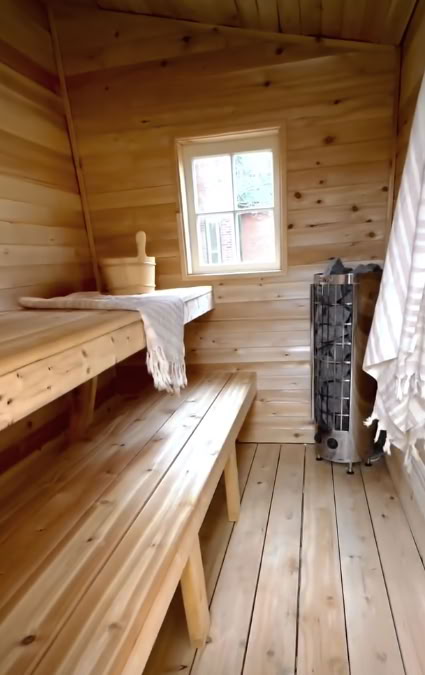
The Foundation of the Feel: Why Wood Choice Matters
The wood you choose for your sauna isn’t just for show. It directly influences the entire sensory experience. Think about it: the walls are what you’ll be touching, smelling, and seeing, constantly surrounding you during your sauna session. Getting this right means the difference between a pleasant, restorative experience and something that feels a bit… off.
Aromatic Qualities and Your Senses
The distinct, earthy, and often calming scents you associate with a traditional sauna come directly from the wood itself. Different trees release different compounds when heated. Some are known for their clean, crisp notes, while others offer a deeper, more resinous aroma. These scents play a significant role in the relaxation and therapeutic claims of sauna bathing.
Heat and Moisture Management
Wood reacts to heat and humidity, and some types handle these conditions much better than others. The best woods for saunas are those that don’t warp, crack, or become too hot to touch. They also need to be able to withstand the high moisture levels without degrading quickly. This is crucial for the longevity of your sauna and for maintaining a consistent, comfortable temperature.
Longevity and Durability
A sauna is an investment. The wood you select will determine how long your sauna lasts and how much maintenance it requires. Top-quality sauna woods are naturally resistant to decay and insect damage, meaning they can endure the harsh sauna environment for many years with minimal fuss.
The 5 Contenders: Classic Choices for Traditional Saunas
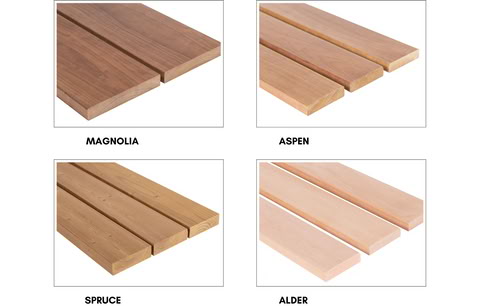
When you delve into the world of traditional saunas, a few wood types consistently rise to the top. These are the species that have been used for generations because they consistently deliver on performance and sensory appeal.
1. Hemlock: The Understated Classic
Canadian Hemlock (Tsuga canadensis) is a popular choice for good reason. It’s readily available and offers a wonderful balance of qualities. It has a fine, even grain that looks clean and sophisticated, and it doesn’t contain the resins that can cause sap to ooze out when heated.
Aroma Profile
Hemlock’s aroma is quite subtle. It’s not overpowering, offering a clean, slightly woody scent that many find very calming. It doesn’t compete with any added essential oils you might use, making it a versatile option if you like to personalize your sauna scent with eucalyptus or pine.
Thermal Properties
Hemlock heats up relatively slowly, which means the benches and walls won’t get uncomfortably hot too quickly. This makes for a gentler, more controlled experience, especially for those who are new to traditional saunas or prefer longer, more relaxed sessions. It also holds heat well once it’s warmed up.
Durability and Stability
This wood is known for its stability. It tends to resist warping and cracking, which is a major advantage in the fluctuating temperatures and humidity of a sauna. Its natural resistance to decay is also good, ensuring a decent lifespan for your sauna construction.
2. Spruce: The Affordable and Accessible Option
European Spruce (Picea abies) is another strong contender, particularly in areas where it’s readily sourced. It’s often a more budget-friendly option compared to some other premium woods without sacrificing too much on the core sauna experience.
Clean and Mild Scent
Spruce offers a pleasant, mild, and somewhat refreshing aroma. It’s not as strong as some cedars, but it has a clean, forest-like quality that many find appealing. Like hemlock, it’s not very resinous, which is a big plus in a sauna.
Responsiveness to Heat
Spruce heats up a bit faster than hemlock, providing a quicker warm-up time. While it can get warm, it generally remains comfortable to the touch, especially if properly insulated. Its consistent density helps it absorb and radiate heat evenly.
Good Value and Availability
One of the main draws of spruce is its accessibility and often lower cost. This makes it a practical choice for many builders looking to create an authentic sauna experience without breaking the bank. Its widespread availability also means it’s easier to source construction-grade lumber.
3. Aspen: The Low-Aroma Choice
Aspen (Populus tremuloides) might not have the strong, distinct aroma that some associate with saunas, but it excels in other areas, particularly for those who are sensitive to strong scents or prefer a neutral base.
Almost Odorless Quality
This is Aspen’s standout feature. It has virtually no smell, making it ideal for individuals who dislike the scent of wood or want complete control over the aroma in their sauna. It doesn’t release any volatile organic compounds (VOCs) when heated, creating a very clean-air environment.
Excellent Thermal Properties
Aspen heats up very quickly and stays at a pleasant temperature. It doesn’t get extremely hot to the touch, which is a significant comfort factor. Its low density means it doesn’t absorb a lot of heat, allowing the air temperature to rise efficiently.
Hypoallergenic and Non-Splintering
For people with allergies or sensitivities, Aspen is a fantastic choice. It’s also known for not splintering easily, which contributes to a safer and more comfortable bench experience. This makes it a popular choice for public saunas or when accommodating a wider range of users.
The Premium Picks: Enhancing the Experience with Luxurious Woods
While the above options are excellent workhorses, some woods are considered premium for their exceptional qualities, offering a richer aroma and a more luxurious feel. These often come with a higher price tag but can elevate the sauna experience significantly.
4. Cedar: The Quintessential Sauna Wood
Red Cedar, particularly Western Red Cedar (Thuja plicata), is arguably the most iconic wood for traditional saunas. Its beautiful color, rich aroma, and inherent properties make it a top-tier choice for many.
The Aroma of Relaxation
Cedar’s scent is its claim to fame. It’s warm, slightly sweet, and deeply aromatic, known for its ability to promote relaxation and feelings of well-being. This distinctive fragrance is what many people envision when they think of a natural sauna.
Natural Resistance and Beauty
Western Red Cedar is incredibly resistant to decay and insects, making it exceptionally durable in moist environments. It also boasts a stunning natural color that ranges from a light pinkish-brown to a deeper red-brown, adding significant aesthetic appeal to any sauna.
Heat and Moisture Handling
Cedar heats up at a moderate pace, and its benches generally remain comfortable to sit on. It handles moisture well, though it can release more resinous compounds than hemlock or aspen, especially in very high heat. This is sometimes seen as part of the authentic cedar sauna experience.
5. White Pine: A Softer, Milder Aroma
White Pine (Pinus strobus) is another option that offers a softer, more approachable scent compared to some of its aromatic counterparts. It’s often chosen for its lighter color and more subtle fragrance.
Gentle and Refreshing Scent
The aroma of white pine is clean, fresh, and less intense than cedar. It’s often described as subtly sweet and woody, which can be very soothing without being overpowering. This makes it suitable for those who find stronger scents a bit too much.
Warmth and Comfort
White pine heats up at a moderate rate and typically remains comfortable to touch. Its softer nature means it can feel gentler against the skin. It’s also known for its ability to absorb and release moisture relatively well within the sauna environment.
Light Color and Natural Look
The light, creamy color of white pine brings a bright and airy feel to the sauna interior. Its natural grain patterns are often attractive, contributing to a clean and authentic aesthetic.
Comparison Table on Different Types of Sauna Woods
| Type of Wood | Best For | Why It Works Well in Saunas | Common Sauna Type |
|---|---|---|---|
| Hemlock | Infrared saunas | Stable, smooth, low resin, affordable | Infrared |
| Cedar | Traditional and infrared saunas | Moisture resistant, aromatic, naturally antimicrobial | Both |
| Nordic Spruce | Traditional Finnish saunas | Strong insulation and classic Scandinavian appearance | Traditional |
| Aspen | Allergy-sensitive users | Hypoallergenic, low odor, splinter resistant | Both |
| Basswood | Low heat transfer | Soft texture and cool seating surfaces | Infrared |
| Eucalyptus | Luxury outdoor saunas | Dense hardwood with strong moisture resistance | Outdoor |
| Pine | Budget sauna builds | Affordable and widely available | Traditional |
| Thermo-Aspen | Premium modern saunas | Heat-treated for improved stability and moisture resistance | Both |
| Red Cedar | High-end sauna interiors | Excellent durability and rich aroma | Both |
Considerations Beyond the Wood Type
While selecting the right species is paramount, several other factors influence the overall quality and performance of your sauna wood. These details can make a significant difference in the longevity and enjoyment of your sauna.
Wood Grade and Quality
Not all wood of the same species is created equal. You want to look for wood that is specifically graded for sauna use. This typically means it’s free of knots, cracks, and other imperfections that can weaken the wood, lead to heat issues, or be uncomfortable.
Clear Grade Lumber
“Clear” grade lumber is highly desirable for saunas. This means it has very few, if any, knots. Knots can trap moisture, heat up unevenly, and even fall out over time, creating weak spots or potential hazards. A clear grade ensures a smooth, uniform surface and better heat distribution.
Kiln-Dried Wood
It’s crucial that the lumber used for your sauna is properly kiln-dried. This process reduces the moisture content to optimal levels, making the wood more stable and less prone to warping, shrinking, or cracking once installed in the heated and humid sauna environment.
Wood Thickness and Installation
The thickness of the wood boards used for your sauna walls and benches also plays a role. Thicker boards generally provide better insulation, helping the sauna heat up more efficiently and maintain temperature stability. Proper installation is also key, ensuring there are no gaps that could lead to heat loss or moisture ingress.
Importance of Proper Installation
Even the best wood will perform poorly if not installed correctly. This includes ensuring proper ventilation, secure fastening, and adequate spacing between boards to allow for expansion and contraction. A professional sauna installer will understand these nuances.
Wall and Bench Thickness Matters
For walls, thicker planks (often 5/8 inch to 3/4 inch) offer better insulation. For benches, comfort is key, and while thickness contributes to durability, it should also feel smooth and supportive. The wood’s ability to not get excessively hot is usually more important for benches than extreme thickness.
Sourcing and Sustainability
As you plan your sauna build, thinking about where your wood comes from and how it’s harvested is becoming increasingly important. Opting for sustainable sources not only benefits the environment but can also indicate higher quality and more ethically managed forestry practices.
Responsibly Sourced Lumber
Look for wood that comes from sustainably managed forests, often indicated by certifications like FSC (Forest Stewardship Council). This ensures that the timber has been harvested in a way that preserves biodiversity, protects water resources, and supports local communities.
Environmental Impact
Choosing sustainably harvested wood minimizes your sauna’s environmental footprint. It ensures that forests are managed for long-term health and productivity, rather than being depleted.
Supporting Ethical Practices
Sourcing responsibly also means supporting businesses that prioritize ethical labor practices and community well-being within their supply chains.
Local Sourcing
Where possible, sourcing your wood locally can reduce transportation emissions and support your regional economy. Plus, locally available species are often well-suited to the local climate, which can translate to better performance in your sauna.
The Art of the Sauna Experience: Putting it All Together
Ultimately, the “best” wood for your traditional sauna is a balance of personal preference, budget, and practical considerations. The goal is to create a space that feels authentic, smells wonderful, and provides a truly relaxing and therapeutic escape.
Balancing Aroma and Sensitivity
If you love a strong, woody aroma, cedar is likely your top choice. If you prefer something subtler or are sensitive to strong scents, hemlock or aspen might be better. White pine offers a pleasant middle ground.
Understanding Trade-offs
No wood is perfect for every single aspect. Cedar offers incredible aroma but can be more expensive and prone to resin. Aspen is odorless and hypoallergenic but lacks the strong scent many expect. Knowing these trade-offs helps you make the most informed decision.
Beyond the Wood: Other Elements
Remember that the wood is just one piece of the puzzle. The type of heater, the sauna’s insulation, and even the stones you use all contribute to the overall experience. Think of them as a symphony, with the wood as a foundational instrument setting the tone.
By carefully considering these wood types and their characteristics, you can ensure your traditional sauna is not only a beautiful structure but also a genuinely authentic and deeply restorative sanctuary.