
Ash wood (Tung wood) is a high-performance timber characterized by its exceptional durability, physical hardness, and aesthetic versatility. The material is distinguished by its resistance to environmental degradation, including rot, insects, and fungal growth, making it an ideal material for both indoor and outdoor applications.
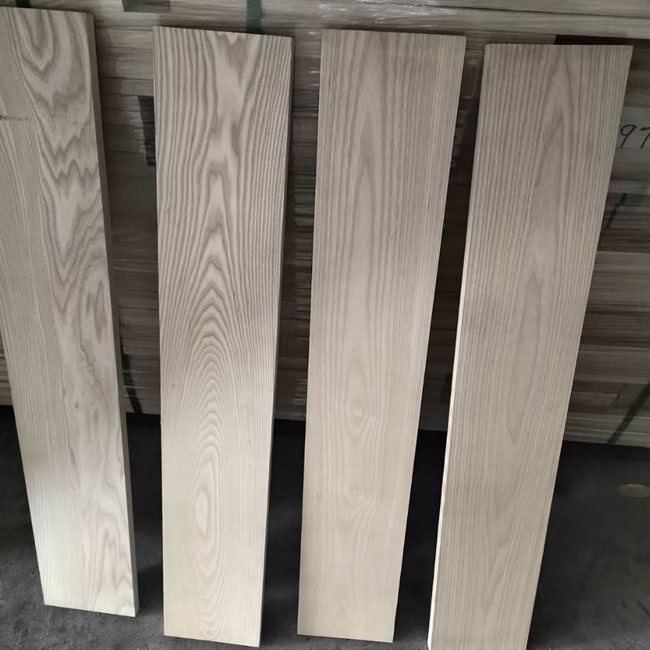
Its high density provides significant resistance to mechanical wear, while its structural stability ensures minimal deformation under varying environmental conditions. Furthermore, the wood’s favorable processing characteristics allow for intricate craftsmanship and diverse finishing options. These combined attributes position Ash Wood as a premium material for furniture manufacturing, flooring, and other specialized architectural elements.
General Properties and Performance
The functional value of Ash Wood is derived from several key physical and chemical characteristics that ensure longevity and ease of use in various industries.
Environmental Durability and Resistance
Ash wood exhibits superior biological resistance, which is a critical factor for its longevity in challenging environments.
- Biological Protection: The timber naturally resists decay, wood-boring insects, and pathogenic bacteria.
- Outdoor Suitability: Due to its inherent resilience, it is highly effective for applications exposed to fluctuating weather conditions, such as outdoor furniture, railings, and external flooring.
Mechanical Strength and Density
The material’s physical structure is defined by high density and hardness, contributing to its robust mechanical performance.
- Wear Resistance: Its high density makes the surface exceptionally resistant to abrasion and impact.
- Surface Integrity: The wood is not easily scratched or dented, maintaining its structural and visual integrity even in high-traffic or heavy-use scenarios.
Structural Stability
A defining feature of white ash wood is its dimensional stability, which simplifies both the manufacturing process and long-term maintenance.
- Deformation Resistance: The wood is resistant to warping, cracking, or splitting when subjected to different environmental stressors.
- Consistency: It exhibits minimal changes in texture and color over time, ensuring a predictable performance for furniture and decorative items.
Aesthetic and Processing Characteristics
Beyond its physical strength, Ash Wood is valued for its visual appeal and the ease with which it can be manipulated for design purposes.
Workability and Finishing
The wood is highly adaptable to various manufacturing techniques, making it a favorite among craftsmen and industrial manufacturers.
- Fabrication: It can be easily processed through cutting, carving, and milling to achieve complex designs.
- Finishing Compatibility: The material readily accepts a wide range of paints and coatings, allowing for a broad spectrum of decorative finishes and color adjustments.
Visual and Sensory Appeal
Ash Wood offers a sophisticated aesthetic that enhances interior environments.
- Color Palette: It features a natural color range from pale yellow to light brown, providing a warm and comfortable visual tone.
- Texture and Luster: The wood possesses a fine, uniform grain structure with a smooth surface and a natural luster, contributing to its popularity in high-end interior decoration.
Common Applications in Ash Wood
Based on its physical and aesthetic advantages, Ash Wood is utilized across a diverse range of sectors:
| Category | Typical Applications |
|---|---|
| Outdoor Use | Garden furniture, railings, decks, and weather-exposed structures. |
| Interior Decoration | Flooring, decorative panels, and high-quality indoor furniture. |
| Craftsmanship | Intricate carvings, milled architectural details, and custom-finished wood products. |
Ash wood represents a versatile and high-quality material solution. Its synthesis of durability, hardness, stability, and aesthetic refinement makes it suitable for demanding structural roles as well as high-end decorative applications. Its ease of processing further ensures that it meets the requirements of both functional engineering and artistic design.
