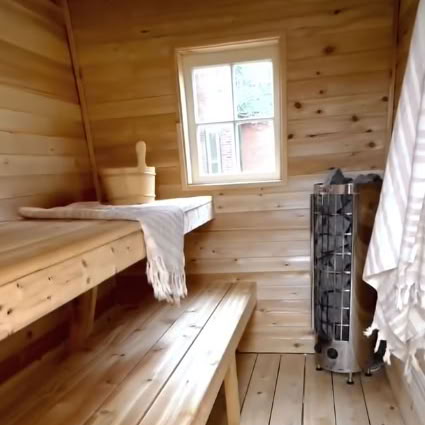
Choosing the best sauna wood determines the longevity and comfort of your home sauna, making it vital to select kiln-dried lumber that withstands extreme temperature shifts. Whether you are building from scratch or renovating, the right material selection ensures that your premium indoor home sauna solutions function efficiently for years to come. Many homeowners prioritize Western Red Cedar for its natural aroma, while others lean toward the structural consistency of spruce. Regardless of your choice, investing in durable wood prevents common issues like warping or resin leakage during intense heat cycles. Our comprehensive guide helps you navigate the technical nuances of various wood species while focusing on long-term value.
Why Choosing Premium Sauna Wood Matters for Your Project
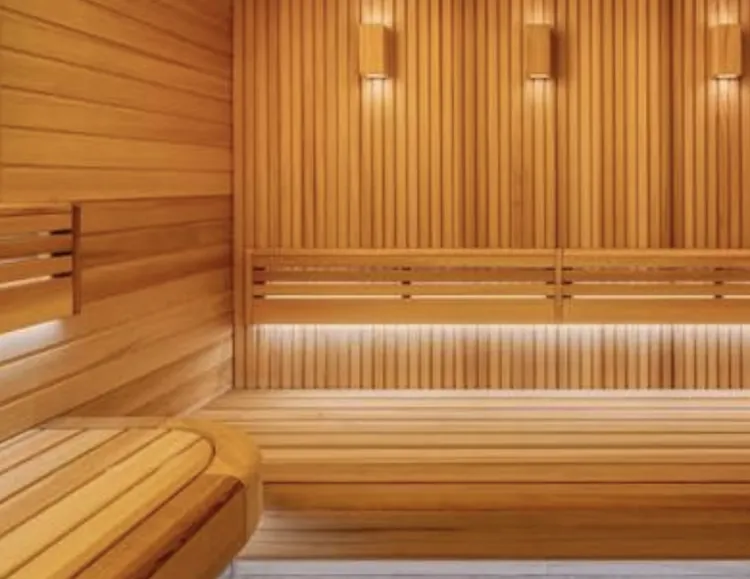
Why choosing premium sauna wood matters for your project lies in the fundamental relationship between density, heat retention, and thermal mass capacity in a sauna environment. High-quality lumber undergoes rigorous kiln-drying to stabilize moisture content, which is crucial for preventing cracks when exposed to high steam levels. If you are starting your customized residential sauna design process, consider how wood quality impacts both the safety and the overall therapeutic experience. Poor-quality timber often contains knots or excessive sap that can become uncomfortable when heated; therefore, selecting clear grade boards is an investment in user comfort. Proper installation techniques reinforce the durability of these materials, ensuring your structure remains a sanctuary rather than a maintenance burden for years.
The Evolution of Lumber Selection Guide Practices
The evolution of lumber selection guide practices reflects a shift toward using materials that offer both aesthetic warmth and extreme resilience under heavy moisture loads. Builders once relied on standard pine, but modern standards now prioritize specialized sauna lumber that resists decay without the need for harsh chemical treatments. This progress ensures that your sauna remains an environmentally friendly space, aligning perfectly with modern sustainability trends in home construction. By vetting suppliers and choosing kiln-dried options, you reduce the risks associated with structural shifting during the building process. This attention to detail defines the quality of modern sauna installations.
Prioritizing Longevity and Safety for Sauna Owners
Prioritizing longevity and safety for sauna owners is achieved by selecting wood that possesses natural antimicrobial properties, which effectively limit the growth of mold. Safety also involves ensuring that all bench boards and wall panels are smooth to the touch and devoid of splintering risks during frequent use. By choosing the right species, your construction project remains structurally sound, preventing the degradation commonly seen in lower-grade lumber exposed to heat. This professional approach to material selection protects your investment while maximizing the longevity of the entire structure.
How Professional Customer Support Helps Your Build
How professional customer support helps your build often involves guidance on sourcing, which is especially important if you are managing a complex DIY home sauna installation. Working with experts allows for better understanding of wood grain characteristics and thermal expansion needs specific to your chosen sauna model. If you need technical assistance, look for providers who offer expert basement sauna conversion services that simplify the procurement phase of your project. Reliable support teams assist in calculating exact material quantities, ensuring your build proceeds smoothly without unnecessary delays or wood waste throughout the entire construction cycle.
Understanding Essential Timber Thermal Properties
Understanding essential timber thermal properties is fundamental to achieving high heat retention within the sauna enclosure for a consistent, relaxing climate. Wood species with low thermal conductivity, like cedar or alder, allow the walls to get warm to the touch without ever becoming dangerously hot, making them ideal for interior cladding. When choosing your lumber, consider how its density influences how quickly the room reaches your desired operating temperature and how long it maintains that heat. This knowledge helps you design a space that feels comfortable while remaining energy efficient throughout every session.
How Professional Customer Support Helps Your Build
Key benefits of professional paneling installation include superior air-sealing capabilities, which prevent heat loss and ensure that steam remains trapped inside the sauna room. Proper installation addresses the expansion and contraction gaps necessary for timber to breathe, ultimately extending the operational lifespan of your sauna walls. When boards are installed with precision, they create a seamless aesthetic that highlights the natural beauty of the wood while hiding nails or structural hardware. Skilled craftsmanship here is essential for preventing long-term damage caused by thermal fluctuations.
The Classic Appeal of Western Red Cedar and Cedar Sauna Lumber
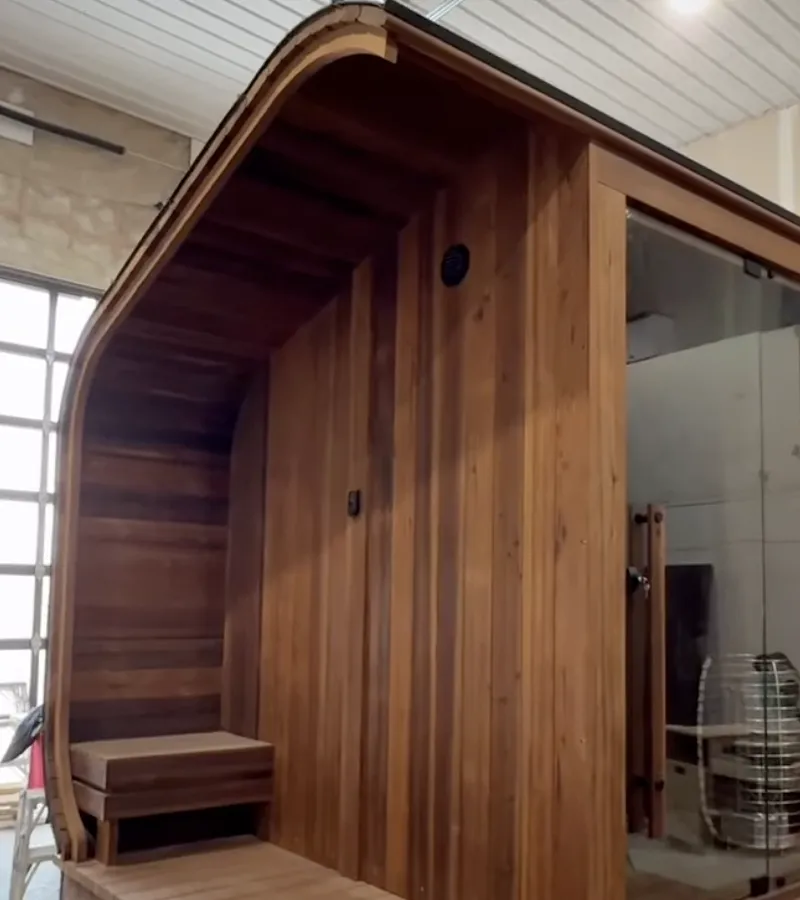
The classic appeal of Western Red Cedar and cedar sauna lumber stems from the wood’s distinctive, rich aroma, which enhances every sauna experience and provides a calming environment. Beyond the smell, Western Red Cedar offers excellent dimensional stability, meaning it holds its shape well even when exposed to wide variations in temperature and humidity. Many sauna enthusiasts view the deep, varying hues of cedar as the gold standard for luxury finishes, creating a traditional look that feels both inviting and premium. When properly maintained, cedar boards retain their integrity for decades, justifying their place as a top choice in high-end projects.
Why Western Red Cedar Dominates High-End Installations
Why Western Red Cedar dominates high-end installations is largely due to its natural oils, which act as a defense against decay and insects, providing incredible durability. This species is inherently moisture-resistant, allowing it to perform reliably in environments that swing between dry heat and high steam levels. For those aiming to build a commercial sauna or a high-end home facility, cedar provides a level of peace of mind that is difficult to replicate with composite alternatives or unrefined wood types. The combination of performance and beauty cements its status as the favored material for professional installers worldwide.
How Professional Customer Support Helps Your Build
Managing moisture resistance in humid environments requires choosing lumber that does not easily absorb condensation, which is why cedar is often synonymous with long-term sauna reliability. Proper ventilation, combined with the natural properties of the wood, ensures that surfaces dry quickly after use, preventing the accumulation of trapped moisture behind panels. This is a critical factor for maintaining a hygienic environment, especially in high-traffic commercial settings where the facility is used throughout the day. Consistent wood care remains the best way to safeguard against potential dampness issues.
Selecting Heaters to Complement Natural Cedar
Selecting heaters to complement natural cedar involves finding a balance between the heat output and the wood’s thermal capacity to ensure even heating throughout the room. When you shop for equipment, you can find specialized survival and outdoor gear insights that may help you appreciate the importance of quality, consistent heating in extreme settings like a sauna. By choosing a heater that matches the volume and insulation quality of your sauna, you allow the cedar to radiate heat comfortably. This harmony between equipment and interior material is essential for a safe, efficient, and thoroughly enjoyable sauna session.
Maximizing Western Red Cedar Aesthetics and Aroma
Maximizing Western Red Cedar’s aesthetics and aroma is all about preserving the wood’s natural state without sealing it off with non-breathable oils or heavy, chemical-based polishes. The scent is one of the most celebrated features of this timber, serving as a primary component of the sauna aromatherapy experience that many users deeply enjoy. To keep the smell vibrant and the appearance fresh, simple maintenance, such as light sanding, can be done periodically to expose fresh wood fibers. Keeping the wood clean is the best way to ensure the aromatic benefits persist throughout the lifespan of your unit.
Design Patterns Using Tongue and Groove Cedar
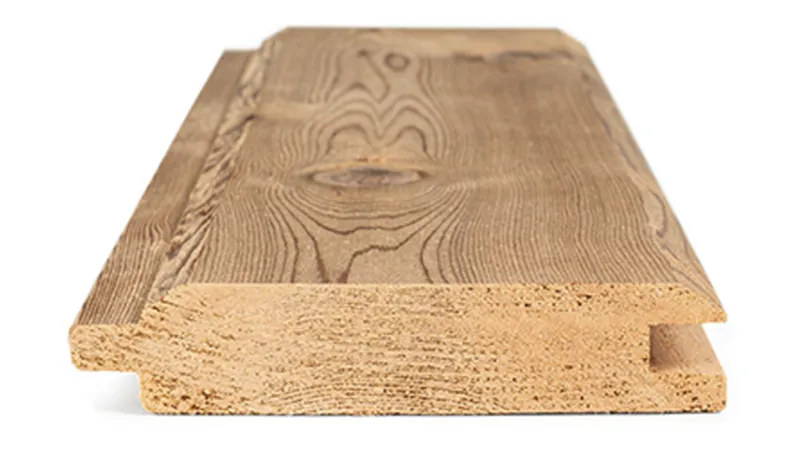
Design patterns using tongue and groove cedar range from simple vertical alignments that emphasize the room’s height to dynamic horizontal layouts that create a sense of width. Tongue-and-groove construction is highly effective for sauna cladding because it allows for slight movement as the wood adjusts to temperature changes while maintaining a flush, airtight seal. These patterns are not just for looks; they provide structural integrity that prevents warping over time. Choosing a high-clear grade of cedar for these installations ensures that your patterns remain flawless and free of unsightly knots.
Key Benefits of Professional Paneling Installation
Advanced construction tips for natural material emphasize that you must allow for expansion gaps near corners and ceiling lines, ensuring that your sauna paneling doesn’t buckle under heat stress. Working with natural wood requires an understanding of how moisture movement affects its size, and following these spacing guidelines is critical for building a sound structure. By incorporating reliable digital solutions for construction planning during your project, you can better track your measurement precision. These technical details distinguish professional-grade sauna construction from novice attempts, resulting in a room that stands the test of time.
Modern Durability with Thermory and Thermo-Aspen Technologies
Modern durability with Thermory and Thermo-Aspen technologies offers a sophisticated alternative for those seeking superior stability and consistent color in their sauna environment. Thermally modified wood goes through a high-heat treatment process that removes resins and alters the wood’s structure, resulting in a material that is incredibly resistant to shrinking and warping. Thermo-Aspen is particularly prized for its uniform tone and smooth, splinter-free texture, providing an ultra-modern aesthetic that contrasts beautifully with traditional, lighter wood choices. If you want a sauna that looks sleek and maintains its appearance year after year, these technically advanced wood products are an excellent, high-performance investment for your home.
The Scientific Breakthrough Produced by Thermory
The scientific breakthrough produced by Thermory is that it completely changes the cellular structure of the timber, making it much more stable and moisture-resistant than its non-treated counterparts. This process is so effective that it removes the nutrients that rot-causing microbes and insects typically feed on, providing a natural level of longevity without needing chemical additives. This combination of heat and steam treatment results in a product that is environmentally friendly yet robust enough to handle the most demanding heat cycles found in constant-use saunas. It is a genuine leap forward for builders who prioritize longevity in their construction projects.
Improving Wood Stability Through Thermal Processing
Improving wood stability through thermal processing ensures that your sauna walls remain perfectly straight and flush, even in climates with high fluctuations in humidity or temperature. This enhanced stability is essential for modern designs that call for long spans of wood without traditional joint visibility, as it minimizes the shrinking gaps that often occur in standard kiln-dried lumber. By selecting thermally modified materials, you reduce the time and effort needed for future structural maintenance. The resulting stability means that your interior will consistently look as good as the day it was first installed.
Key Benefits of Professional Paneling Installation
Why eco-conscious builders prefer Thermo-Aspen often stems from the fact that it is a sustainable wood source that requires no toxic chemical preservatives to achieve its performance benchmarks. Its long lifecycle further minimizes the need for frequent replacement, which is a major pillar of sustainable building practices in the modern construction sector. Thermally modified wood represents the future of responsible, long-lasting design, allowing builders to create stunning spaces without compromising on environmental ethics. This conscious choice is becoming a common standard for high-end, environmentally sensitive, and luxury home sauna projects across the world.
Understanding Essential Timber Thermal Properties
Structural advantages of Thermo-Aspen sauna paneling include its reduced weight and increased density compared to some native timbers, making it an excellent choice for large-scale interior paneling installations. The thermal treatment also ensures that the wood has a lower density, providing better insulation properties that help keep your sauna at its peak temperature for longer durations. This material is also very easy to work with, as it can be cut and finished cleanly, which results in less waste on the job site. The professional finish that Thermo-Aspen provides is unmatched in its smoothness and consistency.
Key Benefits of Professional Paneling Installation
Achieving uniform wall cladding finishes is simplified by using Thermo-Aspen because the thermal modification process produces a consistent color profile throughout the individual board and across the entire batch. This eliminates the guesswork when buying materials, ensuring that your final wall finishes match perfectly without the color variances seen in untreatable natural woods. You can use this consistency to create striking design features in your sauna, knowing the final appearance will be exactly as anticipated. This predictability is a significant benefit for both home owners and professional builders alike.
Strategic Advice via Our Free Consultation
Testing thermal integrity under high heat proves that Thermo-Aspen retains its structural shape far better than standard softwoods when subjected to the intense environment found in a functional sauna. These tests focus on moisture absorption, expansion rates, and tensile strength to confirm that the wood remains safe and aesthetic even after years of use. This data-driven approach to materials ensures that builders can recommend thermally modified alternatives with full confidence in their performance. When you invest in these advanced technologies, you are securing the thermal integrity of your sauna for future generations.
Comparing Sustainable Spruce and Hemlock Alternatives
Comparing sustainable spruce and hemlock alternatives reveals two excellent, reliable woods that offer unique benefits for those who prefer a traditional, lighter-toned appearance in their sauna setup. Spruce is known for its excellent strength and ability to resist denting, appearing as a classic, knotty, or clear material that fills the room with a bright, airy feeling. Hemlock, meanwhile, is prized for its extreme smoothness and relative lack of knots, providing a very clean white or soft pink finish that works well in minimalist sauna designs. Both materials are widely respected for their versatility and durability when installed following proper ventilation guidelines. If you are looking for cost-effective yet high-quality materials, these two choices provide great options for your upcoming sauna construction project.
Understanding Essential Timber Thermal Properties
The structural benefits of sustainable spruce boards include their impressive strength-to-weight ratio, allowing them to support large structures like benches easily while maintaining a relatively low environmental footprint. Spruce thrives in temperate climates, making it a sustainable forest-managed option that is frequently available and cost-effective for larger sauna builds. Because of its sturdy nature, many builders choose this timber for the foundational elements of their projects where structural integrity is paramount. While it does contain more resin than some other species, kiln drying helps to stabilize this, making it a reliable choice for long-term sauna performance.
Key Benefits of Professional Paneling Installation
Utilizing tongue and groove for tight construction is a best practice for spruce, as it ensures that the panels are firmly locked together, preventing any potential heat leakage at the joints. When installing these boards, it is essential to allow for minor expansion because even kiln-dried spruce will react to the humidity changes common in a sauna environment. By following professional installation guides, you can achieve a wall surface that is both tight enough to hold heat and flexible enough to last for many years of heavy use.
Strategic Advice via Our Free Consultation
Maintenance tips to extend Nordic spruce longevity include periodic light cleaning with a damp (not wet) cloth and potentially light sanding if the surface shows any signs of wear. You should avoid harsh chemical cleaners, which can damage the wood structure or leave behind unwanted residues that might heat up during your next sauna session. By keeping the wood clean and dry, you ensure the integrity of the spruce panels. This preventative approach to maintenance keeps your sauna looking pristine and prevents the buildup of sweat and moisture deep within the fibers.
Why Hemlock Remains a Top Choice for Clear Finishes
Why hemlock remains a top choice for clear finishes is largely attributed to its clean, uniform look that is almost entirely free of knots, making it ideal for minimalist aesthetics. Its tight grain structure holds up well to temperature variance, and its light color reflects interior light beautifully, giving the sauna room a sense of openness and tranquility. Many luxury builders prefer hemlock when they want a high-end look without needing to use expensive, exotic woods, as it offers a clean, professional finish. Furthermore, the wood’s overall stability ensures that it remains smooth throughout the life of your sauna.
Strategic Advice via Our Free Consultation
Surface smoothness in modern wall cladding designs is essential for safety, and hemlock excels in this area due to its soft yet robust grain characteristics. Designers can achieve a completely sleek, polished finish that feels comfortable for bathers reclining in the sauna, which is vital for high-end residential and commercial experiences. Using hemlock for paneling helps to create an environment where the walls are soft enough for comfort but durable enough for daily use. This smooth quality makes it a favorite for bench surfaces where ergonomics and texture are particularly important for all users.
Integrating Hemlock With Proper Sauna Ventilation
Integrating hemlock with proper sauna ventilation is essential for preventing the buildup of humidity, which can otherwise discolor the wood over time. Because hemlock is such a light-colored wood, maintaining good airflow ensures that the timber dries out quickly, preserving its bright and clean appearance. You can find useful documentation on sustainable architectural design practices that emphasize the role of airflow in any indoor wooden structure. When the room is ventilated correctly, your hemlock paneling stays looking new for much longer, providing a classic, bright aesthetic that elevates your entire home spa design.
Essential Selection Guide FAQs for Every Sauna Builder
Essential selection guide FAQs for every sauna builder cover the most frequent queries that arise during planning, procurement, and construction of your home sanctuary. From deciding whether to mix wood species for contrast to understanding how to properly treat or stain your interior, these answers help clarify the process. Many builders ask about the difference between kiln-dried and air-dried lumber, noting that kiln-drying is mandatory for sauna applications to prevent warping and shrinkage later. Getting these foundational questions addressed prevents common mistakes that can jeopardize the structural and thermal performance of your sauna project. By focusing on verified expert answers, you create a safer and higher-quality environment for your family or clients.
Answering Common Questions About Sauna Lumber Types
Answering common questions about sauna lumber types is critical for individuals who are currently overwhelmed by the wide variety of materials and grades on the market today. We emphasize that species such as Western Red Cedar, Aspen, and Spruce each serve different roles in a build, with some being better for benches and others for walls. We provide clear, actionable advice on why certain choices impact the heat efficiency and aromatic profile of your room. Providing these facts ensures that every builder can make an informed decision based on their unique space and budget requirements.
Reliable Customer Support for Material Sourcing
Reliable customer support for material sourcing is what makes the difference between a project that runs smoothly and one that suffers from delays due to supply chain gaps. We manage all logistics to ensure your high-quality, kiln-dried boards arrive when you need them. Whether you are sourcing enough clear-grade cedar for a large commercial project or just enough Thermo-Aspen for a private home retreat, our support team is dedicated to your success. Having access to knowledgeable assistance during the procurement phase remains one of the most important aspects of your sauna journey.
Streamlining Your Sauna Paneling Installation Process
Streamlining your sauna paneling installation process is often about proper planning before you even start cutting the first piece of wood. We advise creating a layout plan that accounts for the vertical or horizontal direction of your boards, which affects both the aesthetic flow and the structural capacity of your sauna room. Consider aspects like the spacing near your heater, where intense heat requires higher grade, more resilient wood. Our advice helps you sequence your work to maximize efficiency while maintaining the highest standard for safety, insulation, and room comfort throughout the construction timeline.
Optimizing Wall Cladding Layouts for Better Flow
Optimizing wall cladding layouts for better flow should focus on minimizing visible joints and maximizing the visual impact of your chosen wood species. A well-planned board layout can significantly enhance the perceived size of your sauna, turning a small room into a grand-feeling escape. By utilizing horizontal patterns, you can convey a sense of spaciousness, while vertical patterns draw the eye upwards. We recommend mapping these layouts prior to installation to ensure all cut lines are hidden and the grain transitions remain smooth and visually pleasing.
Safely Positioning Your Heaters Near Interior Wood
Safely positioning your heaters near interior wood involves strictly adhering to the manufacturer’s clearance guidelines to prevent the wood from overheating or charring. Because heat flows differently in a sauna, ensuring the area around the heater is shielded or has the proper distance is essential for fire safety. We provide detailed advice on how to create a protective barrier or heat guard that blends in with your overall sauna design. Keeping this space professional and compliant is the final step in ensuring your sauna remains a safe, comfortable, and truly relaxing sanctuary.