Hardwood flooring grades are essentially a classification system that tells you about the natural characteristics and overall appearance of the wood. Think of it like a quality scale, but instead of “good” or “bad,” it’s more about how much natural variation and unique character the wood displays.
This brief guide helps you to understand what to expect in terms of knots, sapwood, mineral streaks, and color variations, which means you can pick a grade of flooring that truly suits your style and how you express your space. For homeowners, especially, grasping these grades is crucial for making a smart investment in flooring that you’ll love for years to come.
- Introduction to Hardwood Flooring Grades
- Comparing Solid and Engineered Hardwood Flooring Grades
- How to Choose the Right Hardwood Flooring Grade for Your Home
- Factors That Affect Hardwood Flooring Grades
- Maintaining and Caring for Different Hardwood Flooring Grades
- Conclusion: Making Informed Decisions About Hardwood Flooring Grades
Introduction to Hardwood Flooring Grades
When you’re looking at hardwood, you’ll often come across terms like “Select,” “Common,” or “Rustic.” These aren’t just fancy names; they’re actually standardized grades developed by organizations like the National Wood Flooring Association (NWFA) or the National Hardwood Lumber Association (NHLA). While the specific names might vary a little depending on the wood species or regional standards, the underlying principle is the same: to describe the wood’s appearance, mainly focusing on its natural features and any milling imperfections.
Why Grades Matter for Appearance
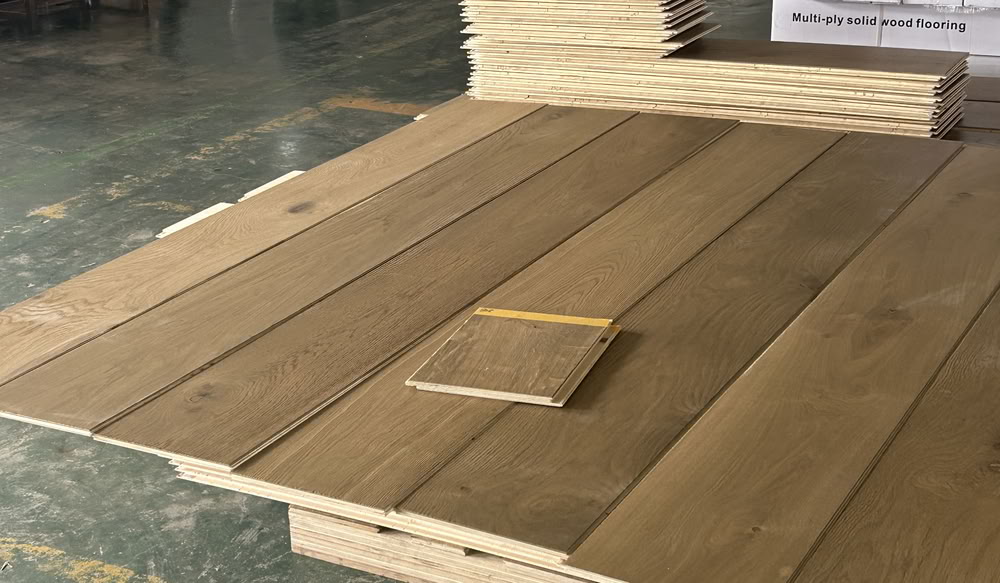
The grade of hardwood directly influences the aesthetic of your floor. A higher, clearer grade means fewer natural imperfections and a more uniform look. A lower, more character-rich grade will have more knots, sapwood, and color variations. Neither is inherently better; it’s all about what visual appeal you’re aiming for in your home. Some people love the pristine, consistent look, while others prefer the warmth and individuality that natural “imperfections” bring.
Beyond Aesthetics: Durability and Performance
It’s common to mistakenly believe that a higher grade of wood is automatically more durable. This isn’t usually the case for solid hardwood. The grade refers to the appearance, not the inherent strength or lifespan of the wood species itself. A rustic grade oak plank is just as strong as a select grade oak plank of the same thickness. However, for engineered hardwood, certain grading aspects related to the veneer thickness can indirectly affect longevity, but we’ll get into that a bit later.
The Importance of Understanding Hardwood Flooring Grades
Knowing about hardwood grades empowers you to make informed decisions and avoids surprises down the road. It helps you set realistic expectations for your new floor.
Matching Your Lifestyle and Design Vision
Consider your home’s overall style and your daily life. Do you have a house with a lot of foot traffic, kids, or pets? A floor with more character (like a rustic grade) might be more forgiving, as minor dents or scratches might blend in more easily with the existing variations. If you’re aiming for a sleek, modern, or very formal look, a higher, more uniform grade might be what you’re after. Understanding grades helps you align the flooring with your personal taste and practical needs.
Budgeting Wisely for Your Project
Generally, higher-grade hardwood (with fewer natural marks) tends to be more expensive because it’s scarcer. Lower grades, with more natural characteristics, are typically more affordable. By understanding this relationship, you can better plan your budget and decide where savings can be made without compromising your vision. Sometimes, choosing a slightly lower grade can free up funds for other aspects of your renovation without sacrificing quality or durability in the long run.
Avoiding Misunderstandings with Suppliers
When you speak the language of hardwood grades, you can have clearer conversations with your flooring suppliers. You’ll be able to articulate exactly what you’re looking for, reducing the chance of miscommunication or disappointment when the product arrives.
At Wild Wooding, a global wood and flooring supplier, we value clarity in communication with our customers about the specifics of the wood they’re purchasing – whether it’s for veneers, plywood, or designer hardwood flooring. This ensures everyone is on the same page from the start.
Comparing Solid and Engineered Hardwood Flooring Grades
Both solid and engineered hardwood flooring come with grading systems, but there are some fundamental differences in how those grades are applied and what they signify.
Solid Hardwood Flooring Grades
Solid hardwood grades primarily focus on the visual characteristics determined by the tree itself.
Clear Grade (or Firsts)
This is the highest grade and, as the name suggests, aims for a very clean, uniform appearance. You’ll find minimal knots (if any), streaks, or color variations. The planks are selected for their consistent grain and color. It’s often the most expensive option due to its scarcity and the careful selection process.
Select Grade (or Seconds)
The select grade is still quite uniform, but it allows for a few more natural characteristics than Clear grade. You might see very small pin knots, minor mineral streaks, or slight color variations. It offers a good balance between uniformity and the natural beauty of wood, often at a more accessible price point than Clear grade.
No. 1 Common Grade (or Thirds)
This grade introduces more character. Expect to see a higher frequency of knots, larger mineral streaks, and more prominent sapwood. There will be noticeable color variations between planks. This grade is popular for those who appreciate a more natural, character-rich look without being overly rustic.
No. 2 Common Grade (or Fourths) and Rustic/Cabin Grade
These grades embrace the full spectrum of a tree’s natural features. You’ll find frequent and larger knots (sometimes open or filled), significant sapwood, wormholes, manufacturing defects, and stark color variations. Rustic or Cabin grade often includes planks that might be shorter or have more pronounced milling defects. These grades are typically the most affordable and are perfect for creating a warm, country, or antique aesthetic.
Engineered Hardwood Flooring Grades
While engineered hardwood can also be graded based on the appearance of its top veneer layer using similar terms (Select, Rustic, etc.), there’s an additional consideration: the thickness of that veneer.
Veneer Thickness for Longevity
The top layer of real wood, the veneer, is what you actually see and walk on. Its thickness is crucial for how many times the floor can be refinished. A thicker veneer (e.g., 4-6mm) offers more opportunities for sanding and refinishing over its lifetime, making it comparable to solid hardwood in terms of longevity. A thinner veneer (e.g., 0.6-2mm) might only allow for light refinishing or no refinishing at all. While not strictly a “grade,” the veneer thickness is a vital factor in the expected lifespan and durability of engineered flooring.
How to Choose the Right Hardwood Flooring Grade for Your Home
Selecting the right grade involves balancing your aesthetic preference, budget, and the practical demands of your household.
Assessing Your Aesthetic Preference
Start with the look you’re trying to achieve. Do you want a very formal, consistent, and smooth appearance? Or do you prefer a floor with a lot of natural charm, variations, and a more lived-in feel? Look at samples of different grades in the wood species you prefer. Pay attention to how the knots, grain patterns, and color differences interact.
Considering Your Lifestyle:
High-Traffic Areas
For areas with heavy foot traffic, kids, or pets, a floor with more character (like No.1 or No.2 Common, or Rustic grades) can be a practical choice. The natural variations can help camouflage minor scratches, dents, and everyday wear and tear more effectively than a very uniform, clear grade.
Low-Traffic or Formal Spaces
In areas like a formal dining room or a master bedroom, where traffic is lighter and a pristine look is desired, a Clear or Select grade might be more appropriate. These grades offer a sophisticated and refined aesthetic.
Budgetary Constraints
Be honest about your budget. Higher grades are typically more expensive. If you love the look of a Select grade but it’s stretching your budget, consider a No. 1 Common grade. You might be pleasantly surprised by the character and value it offers. Sometimes, mixing grades within the same room or choosing a lower grade for less visible areas can also be an option.
Factors That Affect Hardwood Flooring Grades
Beyond the general grading rules, several other elements contribute to a plank’s final appearance and how it’s categorized.
Wood Species Characteristics
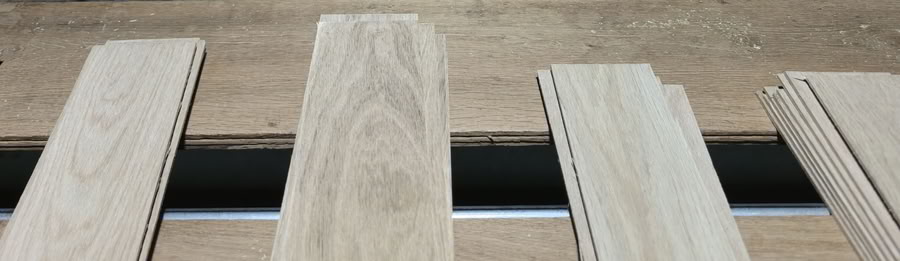
Different wood species naturally exhibit different characteristics. Oak, for example, is known for its prominent grain and occasional knots. Maple is typically much smoother and more uniform in grain. A “Select” grade in oak will still look different from a “Select” grade in maple because the inherent characteristics of the wood itself play a significant role. Always view samples of the specific species and grade you are considering.
Manufacturing and Milling Processes
Even with the same log, the way the wood is cut, dried, and milled can influence its grade. Precision in milling helps produce consistent widths and thicknesses, which is a factor in achieving higher grades. Imperfections introduced during manufacturing (like slight surface variations, small chips, or tongue and groove issues) can lower a plank’s grade, even if the wood itself is otherwise high quality. At Wild Wooding, a professional wood supplier that has been in the industry for more than 30 years, we ensure our manufacturing processes for designer hardwood flooring meet rigorous standards to minimize such imperfections, aiming for consistency in our products.
Origin of the Timber
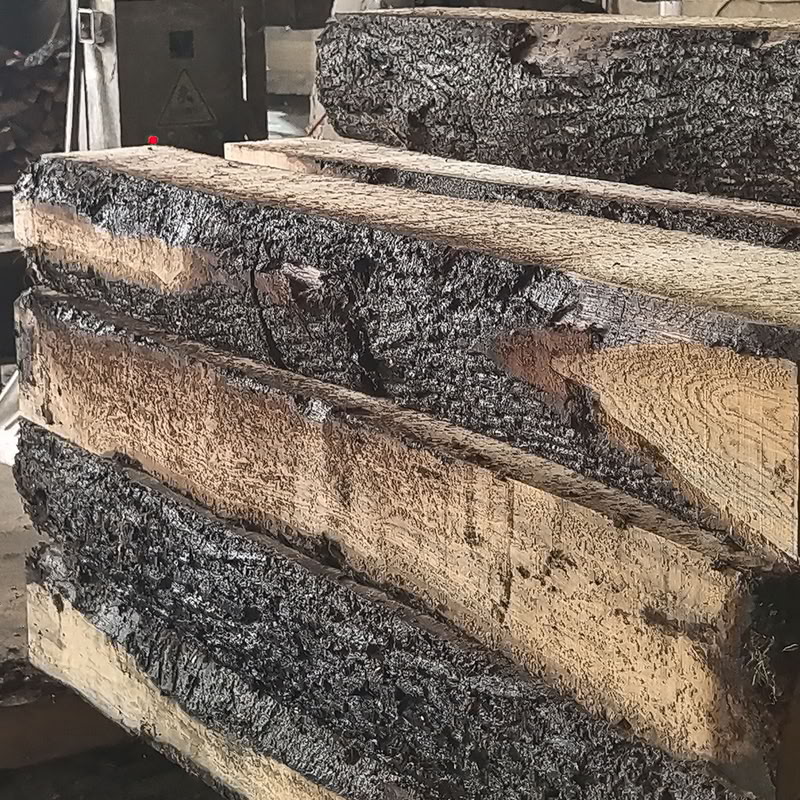
The region where the timber is harvested can also subtly affect its characteristics. Soil, climate, and growing conditions impact the tree’s growth rate and density, which in turn can influence grain patterns, color, and prevalence of knots. While not a direct grading factor, it contributes to the unique character of wood from different sources.
Maintaining and Caring for Different Hardwood Flooring Grades
Maintaining hardwood flooring generally follows the same principles regardless of grade, but there are some nuances.
General Hardwood Care Tips
Regular cleaning is key: sweep or vacuum frequently to remove grit and dirt that can scratch the finish. Use a slightly damp (not wet) mop with a pH-neutral wood cleaner. Avoid harsh chemicals, excessive water, and steam cleaners. Place felt pads under furniture legs and use rugs in high-traffic areas.
Specific Considerations for Higher Grades
Because Clear and Select grades showcase a more uniform surface, scratches and dents can sometimes appear more noticeable against the consistent backdrop. This isn’t to say they are less durable, but their appearance makes imperfections stand out. Therefore, extra vigilance with protective measures (like avoiding dragging furniture) is beneficial.
Specific Considerations for Lower Grades
The inherent character of No. 1 Common, No. 2 Common, and Rustic grades means that minor wear and tear, small dents, or light scratches often blend seamlessly into the existing variations. This can make them feel more “forgiving” in busy households, as the floor’s natural patina simply develops further. While still important to care for them properly, the aesthetic acceptance of “imperfections” can be a perk.
Conclusion: Making Informed Decisions About Hardwood Flooring Grades
Understanding hardwood flooring grades is more than just learning a few terms; it’s about gaining the knowledge to make a confident and satisfying choice for your home. It’s about recognizing that there’s no single “best” grade, but rather the “right” grade for your specific needs, style, and budget. By knowing what to expect from Clear, Select, Common, and Rustic grades, and considering how these apply to both solid and engineered options, you’re well-equipped to discuss your preferences with suppliers and select a floor that you’ll truly cherish. Think of it as choosing the perfect canvas for your life – one that reflects your taste and stands up to your everyday beautifully.